Shoulder Impingement vs. Rotator Cuff Tear: Symptoms, Differences, and Treatment
Shoulder impingement involves painful irritation around the rotator cuff. A rotator cuff tear means a tendon has structural damage. Both can hurt when you reach overhead or lie on your shoulder. An examination, sometimes with imaging, helps tell them apart.
You might notice pain while getting dressed, lifting groceries, or reaching for a seat belt. Those small tasks can become a daily headache. For someone in Garden City, that raises practical questions about work, driving, and sleep. You need useful answers before choosing treatment.
Pain alone cannot tell you whether a tendon is torn. Strong pain can occur without a tear. Some tears cause surprisingly little pain. Sudden weakness after an injury deserves prompt attention, even when you can still move your arm.
This guide compares symptoms, explains testing, and describes treatment choices. It also helps you prepare for a shoulder appointment. The goal is a clearer understanding of your next step. Your examination determines which advice fits your own shoulder.
What is the difference between shoulder impingement and a rotator cuff tear?
The main difference is irritation around a tendon versus damage within the tendon itself. These problems can overlap in the same shoulder. Think of the diagnosis as a description of specific tissues. It should explain more than where you feel pain.
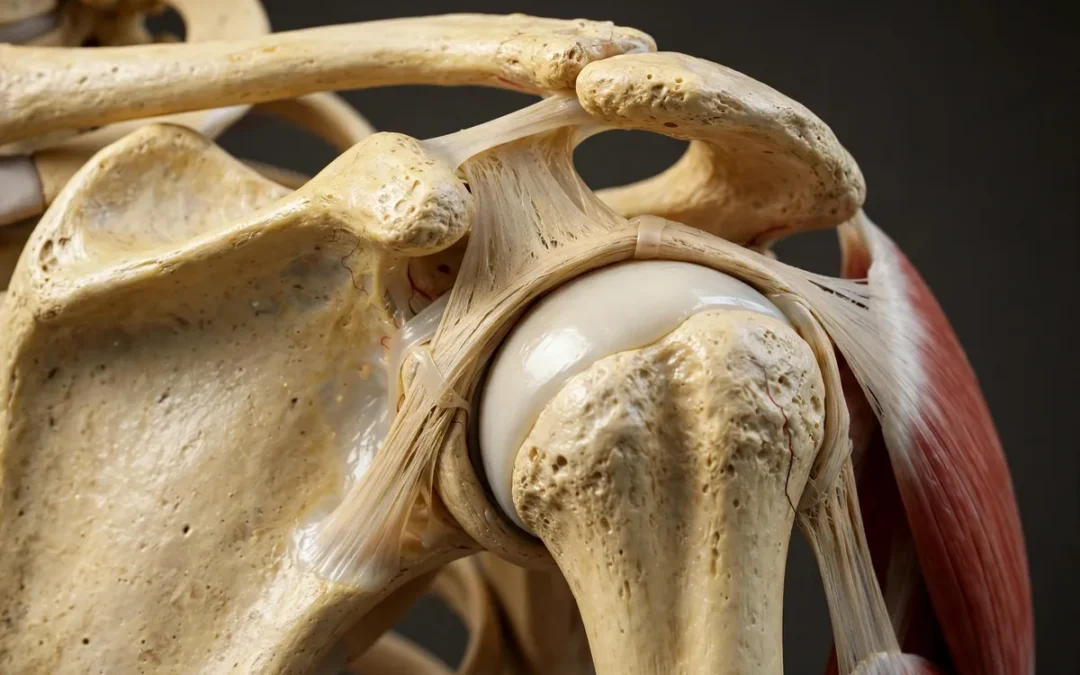
The rotator cuff contains four muscles and their tendons. Together, they help lift and rotate your arm. They also help keep your upper arm centered in its socket. A small cushioning sac, called a bursa, sits above these tendons.
Doctors often use “impingement” for pain involving the tendons and nearby bursa during shoulder movement. You may also hear “rotator cuff tendinopathy” or “subacromial pain.” These labels describe related problems, although their meanings differ. Ask which tissue your clinician believes is causing symptoms.
| Feature | Shoulder impingement | Rotator cuff tear |
|---|---|---|
| Main problem | Painful irritation around the cuff and bursa | Partial or full tendon damage |
| Typical onset | Often gradual, sometimes after increased activity | Gradual wear or a sudden injury |
| Overhead pain | Common | Common |
| Night pain | Possible | Possible |
| Weakness | Pain can limit strength | Pain and tendon damage can limit strength |
| Imaging | Sometimes helpful when findings would change care | Ultrasound or MRI may confirm a suspected tear |
| Initial care | Usually activity changes and guided rehabilitation | Depends on injury, weakness, tear features, and goals |
These patterns offer clues, rather than a home diagnosis. A painful movement does not identify one condition with certainty. Neither does a popping sound or a tender spot. The full history and examination matter more than any single clue.
What does shoulder impingement feel like?
Shoulder impingement often causes pain along the front or outside of your shoulder. Reaching into a high cabinet may hurt. Lowering your arm can also bring pain. Some people notice discomfort extending down the outside of their upper arm.
Symptoms may appear after painting, swimming, or repeated overhead work. Sometimes no clear injury starts the problem. The shoulder may ache at night or feel stiff during dressing. Pain can make the arm feel weak, even without a torn tendon.
Picture spending a weekend hanging shelves, then struggling with your coat on Monday. That history gives the clinician useful information about recent loading. It does not prove impingement. A similar activity could also reveal an existing tendon tear or another shoulder problem.
Tell your clinician which movements hurt and which tasks have changed. “I cannot reach my coffee mug” explains more than “my shoulder is bad.” Note whether symptoms settle after activity or keep building. That detail helps connect examination findings with your daily life.
What does a rotator cuff tear feel like?
A rotator cuff tear can cause pain, weakness, or difficulty lifting and rotating your arm. An injury may produce a pop followed by sudden weakness. Other tears develop slowly through tendon wear. You may not remember one event that started the symptoms.
A partial tear affects part of a tendon’s thickness. A full-thickness tear passes through its entire thickness at the affected area. Full thickness does not automatically mean the whole tendon has detached. The location and width also matter when discussing treatment.
The supraspinatus tendon is a common site of tearing. You do not need to memorize that name. However, recognizing it can help when reading an imaging report. Ask your clinician to explain which tendon is involved and how the finding affects your options.
A tear can make ordinary tasks harder, including brushing hair or placing dishes overhead. Yet some people retain useful movement despite substantial damage. Others find a smaller tear quite painful. The scan, symptoms, and strength tests need to make sense together.
For an accessible overview, the AAOS guide to rotator cuff tears explains the main tear patterns. Use that background to prepare questions for your visit. An individual treatment decision still requires your medical history and examination. A diagram cannot assess your strength or daily needs.
Which symptoms help tell these conditions apart?
Sudden weakness after an injury raises more concern for a tear than pain alone. However, neither condition has one symptom that confirms the diagnosis. Notice the pattern across several activities. Bring those observations to an appointment instead of repeatedly testing yourself.
Pain when reaching overhead
Overhead pain occurs with both impingement and rotator cuff tears. Reaching for a shelf may irritate sensitive tissues around the cuff. A torn tendon can also struggle during that movement. The painful location offers context, but it does not reveal tendon integrity.
Try describing the task precisely during your visit. Did pain start while reaching up, holding something, or lowering your arm? Was the object empty or heavy? These details help your clinician compare the complaint with movements tested during the examination.
Weakness versus movement limited by pain
Pain can reduce how hard you can push, even when a tendon remains intact. A tear can also reduce strength directly. Your clinician checks different movements and compares both arms. They interpret those findings alongside pain, stiffness, and the injury history.
An inability to lift your arm after a fall needs prompt medical assessment. Do not assume it is ordinary impingement. A fracture, dislocation, or tendon injury may need attention. Protect the shoulder while arranging care rather than forcing repeated overhead movements.
Night pain and clicking
Night pain can occur with either condition and does not measure tear size. Clicking also has several possible causes. Some painless shoulder sounds are harmless. New clicking with pain, weakness, or an injury deserves a discussion with your clinician.
Track which sleeping positions bother you and how often pain wakes you. Include changes in movement, such as trouble washing your hair. Those details show how symptoms affect function. They also give you practical goals for treatment beyond a pain score.
What causes these shoulder problems?
Repetitive loading, tendon wear, and injuries can contribute to rotator cuff problems. Overhead sports and jobs may repeatedly stress the shoulder. Examples include tennis, painting, and electrical work. A sudden fall or heavy lift can cause a different injury pattern.
Age-related tendon changes can occur even without physically demanding work. That does not mean age alone determines treatment. Your current strength, symptoms, and goals still matter. Two neighbors with similar scans may need different plans because their daily demands differ.
One person may need comfortable movement for gardening and household tasks. Another may need strength for overhead tools throughout a shift. Explain those demands early. Your clinician can discuss whether the proposed treatment fits those activities.
Impingement symptoms do not mean a tear is inevitable. Likewise, a tear does not prove every painful movement comes from that tear. Several shoulder tissues can contribute at once. A useful diagnosis explains the current problem without predicting a worst-case outcome.
When does shoulder pain need urgent care?
Shoulder pain needs urgent assessment when an injury causes major weakness, deformity, or lost movement. A hot, swollen shoulder with fever also needs urgent medical attention. Persistent numbness, loss of feeling, or a cold arm can signal other serious problems.
Call 911 for shoulder or arm discomfort with possible heart attack symptoms. These include chest pressure, shortness of breath, sweating, or nausea. Do not wait for an orthopedic appointment. Heart-related discomfort can affect either arm and may occur without obvious chest pain.
Arrange prompt care after a fall if you suddenly cannot raise your arm. Tell the clinician when the injury happened and what changed immediately. Avoid attempting to put a deformed shoulder back into place. That requires medical assessment and appropriate treatment.
For less sudden symptoms, arrange an appointment when pain persists or interferes with normal activities. Worsening sleep or strength also deserves attention. Our article on when shoulder pain is serious explains common reasons to seek care. An online guide cannot rule out an urgent problem.
How do doctors diagnose impingement or a rotator cuff tear?
Diagnosis usually starts with your history and a physical examination. Imaging supports that assessment when it can answer a useful question. The aim is to connect symptoms with specific findings. A scan alone does not decide whether you need treatment or surgery.
History and examination
Your clinician asks about injuries, work, sports, and previous shoulder problems. They check how far you can move your arm yourself. They may also gently move it for you. Comparing these movements helps identify pain, stiffness, and patterns of weakness.
They may use several examination maneuvers, sometimes called impingement or rotator cuff tests. No single maneuver tells the whole story. Shoulder conditions share symptoms and examination findings. Avoid asking someone at home to force your arm into a painful test position.
X-rays, ultrasound, and MRI
X-rays show bones and can reveal arthritis, fractures, or some bone changes. They do not directly show most rotator cuff tears. A normal X-ray therefore cannot settle every tendon question. Your clinician decides whether additional imaging would help explain your findings.
Ultrasound can show cuff tendons, tears, and nearby fluid. It also allows assessment during movement. MRI provides detailed views of tendons and other shoulder tissues. The best choice depends on the clinical question, available expertise, and your medical circumstances.
Before an MRI, tell the imaging team about implants and other medical devices. Mention claustrophobia if enclosed spaces make you anxious. Bring earlier imaging reports and images when available. Comparing existing studies may help your clinician understand what has changed.
An imaging finding may exist without causing pain. Ask whether the reported tear matches your symptoms and examination. Also ask what the test will change about treatment. That conversation helps you understand the purpose of imaging before making a decision.
Other conditions that can look similar
Frozen shoulder often causes substantial stiffness during both active and assisted movement. A neck nerve problem may cause pain extending into the arm. Tingling or numbness can provide an additional clue. Your clinician may examine your neck as well as your shoulder.
Other possibilities include arthritis, biceps tendon problems, or a labral injury. Some people have more than one condition. Tell your clinician about neck pain, hand symptoms, and previous injuries. A complete history helps avoid treating the wrong problem based on one symptom.
Our guide explains what an orthopedic doctor can do for shoulder pain. It can help you prepare for your visit. Bring questions about any unfamiliar diagnosis or test. You should understand how the proposed plan relates to your findings.
Can shoulder impingement or a rotator cuff tear improve without surgery?
Many people improve with nonsurgical treatment, including some people with confirmed rotator cuff tears. The goals are less pain and better daily function. Treatment depends on the injury and examination. A recent traumatic tear with major weakness may need an earlier surgical discussion.
Improvement does not always mean a torn tendon has reattached. Rehabilitation can improve how the shoulder works despite remaining structural damage. Your clinician should explain that distinction. Feeling better and healing a tear are different outcomes, even when both sound like recovery.
Adjust activity without stopping all movement
Activity changes reduce repeated stress from movements that flare your symptoms. You might temporarily avoid overhead lifting or heavy pressing. Ask about comfortable movements you can continue. Keeping the shoulder completely still for long periods can contribute to stiffness.
At home, move frequently used items to a lower shelf. Split a heavy household task into shorter sessions. Ask for help with tasks that repeatedly provoke pain. These changes make the treatment plan easier to follow during an ordinary week.
If your job involves tools, stocking shelves, or lifting, explain those duties clearly. Ask whether temporary restrictions would help. A written description can make discussions with your employer more specific. “Avoid overhead lifting” is easier to interpret than a vague instruction to take care.
Follow a tailored physical therapy plan
Physical therapy may address shoulder motion, cuff strength, and shoulder blade control. The right starting point depends on your findings. Your therapist should explain each exercise and its purpose. A program for an irritated tendon may differ from rehabilitation after tendon repair.
Do not copy an advanced shoulder workout because it helped someone else. Ask how much discomfort is acceptable during your exercises. Also ask what changes mean you should pause and call. Clear instructions help you practice consistently without guessing about every ache.
Track a few meaningful tasks during treatment, such as dressing or reaching a shelf. Record whether they feel easier, harder, or unchanged. Share those observations at follow-up. They give the clinician useful information about function alongside formal strength and movement testing.
If progress stalls, review the plan rather than simply adding more repetitions. The diagnosis, exercise level, or daily workload may need another look. Explain what you have actually managed to do. Time, transport, and caregiving demands can affect how well a program fits.
Discuss safe options for pain relief
Pain relief may help you sleep and participate in rehabilitation. Your clinician may discuss ice, medication, or other options. A wrapped cold pack can ease symptoms for some people. Protect your skin and follow the timing advised by your care team.
Ask before taking anti-inflammatory medicines if you have kidney disease, ulcers, or certain heart conditions. Blood thinners and other medicines can also affect your options. Give your clinician a complete medication list. Avoid combining products without checking their ingredients and safety instructions.
Understand what an injection can achieve
A corticosteroid injection may reduce pain for a limited period in selected patients. It does not stitch a torn tendon together. Relief may make rehabilitation easier, but it does not prove the tendon has healed. Ask what benefit your clinician expects and how it will be assessed.
Injections have potential risks, including temporary blood sugar changes and tendon concerns. Tell your clinician about diabetes and previous injections. Mention any planned shoulder surgery before arranging another shot. The timing and number of injections deserve an individual discussion.
Ask for a plan with a follow-up point. Find out which activities to modify and what improvement to look for. Clarify when persistent weakness should prompt reassessment. A written plan helps you know what to do between appointments and when to call sooner.
If shoulder pain keeps limiting your day, request an appointment at Great Lakes Orthopaedics. Call (734) 422-8400 to discuss scheduling. An evaluation can help clarify the cause and available treatment choices. You can ask about rehabilitation and whether a surgical opinion is appropriate.
When might surgery be appropriate?
Surgery may help selected patients with tendon tears, persistent symptoms, or substantial functional loss. The decision depends on more than an MRI label. Your clinician considers tissue quality, strength, health, and goals. Ask how each finding changes the recommendation for your shoulder.
A recent injury with sudden weakness deserves prompt assessment. Some traumatic tears benefit from earlier surgical consideration. Other tears can begin with monitored nonsurgical care. There is no universal waiting period that fits every injury, tear pattern, and patient.
Rotator cuff repair and shoulder arthroscopy
Rotator cuff repair commonly reattaches a torn tendon to bone using sutures and anchors. Surgeons often perform repairs through arthroscopy. This technique uses a small camera and instruments through small incisions. The tendon still needs time to heal after the operation.
Arthroscopy describes the surgical approach, rather than one specific treatment. A cuff repair differs from trimming tissue or treating a labral tear. Those procedures may have different restrictions and recovery plans. Ask exactly what the surgeon proposes to repair or remove.
Our shoulder surgery options page explains the practice’s broader shoulder services. Use it to frame questions about the procedure being considered. Ask about expected benefits, meaningful risks, and alternatives. You should also understand what happens if you continue nonsurgical treatment.
Decompression surgery is a separate decision
Subacromial decompression removes tissue or bone around the space above the cuff. It differs from repairing a torn tendon. A recommendation for one procedure should not automatically justify the other. Ask which diagnosed problem each proposed part of surgery is intended to address.
The FIMPACT trial studied decompression for persistent subacromial pain. Its 10-year results found no added benefit over placebo surgery or exercise therapy. These findings concern decompression for that condition. They do not show that repairing an appropriate rotator cuff tear lacks benefit.
If decompression is proposed for isolated impingement symptoms, ask how current evidence applies to you. Also ask what structured rehabilitation has already addressed. A clear explanation should identify your diagnosis and treatment goal. An operation’s name alone cannot explain its expected value.
How long does recovery take?
Recovery depends on the diagnosis, treatment, and physical demands you need to resume. Impingement symptoms may improve over weeks or months with appropriate care. A repaired tendon usually requires months of rehabilitation. Returning to heavy overhead activity can take longer than basic daily tasks.
For nonsurgical care, look for changes in sleep, reaching, and everyday use. Ask when your clinician expects to reassess progress. A good week does not always mean every activity is ready. Equally, one uncomfortable day does not automatically mean treatment has failed.
After cuff repair, the early plan often focuses on protecting the tendon. Your surgeon may prescribe a sling and limits on active movement. Later stages add movement and then strengthening. The exact timing varies with the repair and your clinician’s instructions.
AAOS guidance describes useful motion and strength often returning four to six months after repair. Larger tears may take longer. Some demanding activities require six to twelve months or more. These ranges help with planning and do not provide individual clearance.
Ask for separate estimates for desk work, manual work, driving, and sports. Each activity places different demands on the shoulder. Tell the care team if your dominant arm is affected. That information can change how you arrange help and temporary work duties.
Pain can improve before a repair is ready for heavier loading. Follow the rehabilitation instructions even when the shoulder starts feeling better. Ask before adding weights or returning to overhead work. Your care team should guide those decisions using healing and functional progress.
How can you manage sleep and daily tasks?
Small changes can make everyday activities more manageable while your shoulder is being treated. For sleep, ask about supporting your arm with pillows. Avoid positions that increase pain. After surgery, follow your surgeon’s specific instructions about sling use and sleeping position.
Our guide to sleeping comfortably after shoulder surgery offers practical preparation ideas. Discuss which suggestions fit your procedure. An extra pillow or different chair may help some people. No single sleeping setup works for every shoulder problem.
Plan for tasks that become awkward with one arm, such as dressing and meal preparation. Place essential items within easy reach before surgery. Consider who can help with groceries, laundry, and childcare. Make those arrangements around your actual household rather than a generic recovery checklist.
Driving requires safe control of the vehicle and attention to medication effects. A sling or restricted movement can affect that ability. Ask your surgeon when you can safely resume driving. Do not rely on a fixed online timeline as permission to drive.
Around Garden City, winter ice may complicate travel during shoulder recovery. Arrange help with snow clearing and slippery steps when needed. Leave time for appointments and rehabilitation visits. These practical details can matter when you are protecting an arm or using a sling.
What should you ask about costs and appointments?
Your cost depends on the care recommended and your insurance benefits. Ask for an estimate tied to the actual plan. An office assessment, imaging, therapy, and surgery involve different services. Understanding those parts can make a proposed course of care easier to budget for.
Before scheduling, ask whether the clinician, imaging center, and therapy provider participate in your plan. Check referral and authorization requirements with your insurer. If surgery is discussed, ask about surgeon, facility, and anesthesia charges. Also ask how postoperative visits and therapy affect your estimate.
An estimate helps with planning but does not guarantee the final amount. Request details about what it includes and what could change. Write down whom you contacted and any reference number. Keep those notes with your appointment information for later questions.
Bring a short timeline of symptoms, earlier imaging, and your medication list. Include work duties and the activities you most want to regain. Choose a few questions you need answered before leaving. That preparation helps keep the discussion focused on your concerns.
Getting shoulder care near Garden City and Livonia
Great Lakes Orthopaedics provides shoulder care at our Garden City office. We have served this community for more than 60 years. You can discuss shoulder pain, tendon injuries, and treatment options during an evaluation. Ask the office which clinician fits your specific concern.
The office is at 6255 Inkster Road, Suite 103, Garden City, MI 48135. If you live in Livonia, Canton, Plymouth, or Northville, consider the full appointment schedule. Rehabilitation and follow-up may require repeated travel. Ask where each part of your care would take place.
At Great Lakes Orthopaedics, a shoulder appointment can help clarify the next step. Explain whether you want an initial evaluation or another opinion. Tell the scheduling team about any recent injury or sudden weakness. Urgent symptoms may need a different care setting.
Use the visit to discuss your diagnosis, treatment choices, and practical concerns. Ask for an explanation of any scan finding that worries you. Leave with clear instructions about activity and follow-up. You should understand what the proposed plan is trying to improve.
Frequently asked questions
Can you have shoulder impingement and a rotator cuff tear together?
Yes, tendon damage can occur alongside irritation of the cuff or nearby bursa. The symptoms may overlap. An examination helps identify which findings matter to your care. Treatment should address your actual symptoms, strength, and function rather than simply combining two diagnostic labels.
Can a rotator cuff tear improve without being repaired?
Yes, some people regain useful function and have less pain with nonsurgical treatment. The tendon may remain torn despite that improvement. Ask how your clinician will monitor your shoulder. New weakness, another injury, or declining function may change the treatment discussion.
Does severe shoulder pain mean the tear is large?
No, pain intensity does not reliably tell you tear size. Inflammation, stiffness, and other tissues can influence symptoms. Some tears cause little pain. Your clinician considers pain alongside movement, strength, injury history, and imaging when needed.
Should everyone with shoulder pain get an MRI?
No, an MRI is useful when it answers a question that affects care. History and examination usually guide the initial assessment. X-rays or ultrasound may sometimes be more appropriate. Ask what a recommended scan would change about your diagnosis or treatment plan.
Is rotator cuff repair the same as shoulder replacement?
No, cuff repair treats torn tendon tissue. Shoulder replacement uses artificial joint components and serves different indications. Some complex cuff problems require a broader surgical discussion. Ask your surgeon to explain why a particular procedure fits your condition and what alternatives remain.
Can you keep exercising with shoulder impingement?
Often, activity can continue with appropriate changes and guidance. Avoid repeatedly pushing through movements that worsen symptoms. Ask which exercises are suitable and how to progress them. Recent injury, marked weakness, or a suspected tear can change what is safe for you.
How do you know whether physical therapy is working?
Look for practical gains alongside your clinician’s measurements. Examples include easier dressing, better sleep, and improved reaching. Discuss progress at the agreed follow-up point. Contact the care team sooner if function worsens or strength suddenly drops.
Get a clear plan for your shoulder pain
Shoulder impingement and rotator cuff tears share many symptoms, but treatment requires a clear diagnosis. Persistent pain deserves an explanation that connects the findings with your daily limitations. You should also understand your options, recovery demands, and reasons for follow-up.
Request an appointment with Great Lakes Orthopaedics to discuss your shoulder symptoms and treatment choices. Call (734) 422-8400, or use the practice’s appointment request form. Bring your questions about rehabilitation, imaging, and surgery. The next step starts with understanding what is causing your shoulder trouble.