Total joint replacement is one of the most effective and commonly performed orthopedic procedures in modern medicine. For patients suffering from chronic joint pain, stiffness, and reduced mobility, this advanced surgical solution can restore function and dramatically improve quality of life. At Great Lakes Orthopaedics, our goal is to help patients understand their options and feel confident every step of the way—from diagnosis to recovery.
What Is Total Joint Replacement?
Total joint replacement, also known as arthroplasty, is a surgical procedure where a damaged or diseased joint is removed and replaced with an artificial implant. These prosthetic joints are typically made from a combination of metal, plastic, or ceramic materials and are designed to replicate the natural motion of a healthy joint.
Over time, joints can wear down due to age, injury, or chronic conditions. When the protective cartilage in a joint deteriorates, bones begin to rub against each other—leading to pain, inflammation, and reduced mobility. According to American Academy of Orthopaedic Surgeons, joint replacement surgery is often recommended when non-surgical treatments such as physical therapy, medications, or injections no longer provide relief.
For additional medical insight, resources like Mayo Clinic and Cleveland Clinic provide in-depth explanations of how joint replacement procedures work and who can benefit most.
Common Conditions That Lead to Joint Replacement
Several conditions can damage the joints over time, making replacement necessary. The most common include:
- Osteoarthritis – the leading cause, often due to aging and wear-and-tear
- Rheumatoid arthritis – an autoimmune condition that attacks joint tissue
- Post-traumatic arthritis from injuries or fractures
- Joint deformities or structural abnormalities
These conditions can progress gradually, often starting with mild discomfort and eventually leading to severe pain and loss of function. Early evaluation by an orthopedic specialist can help determine the best course of action.
Types of Total Joint Replacement Procedures
Total Knee Replacement
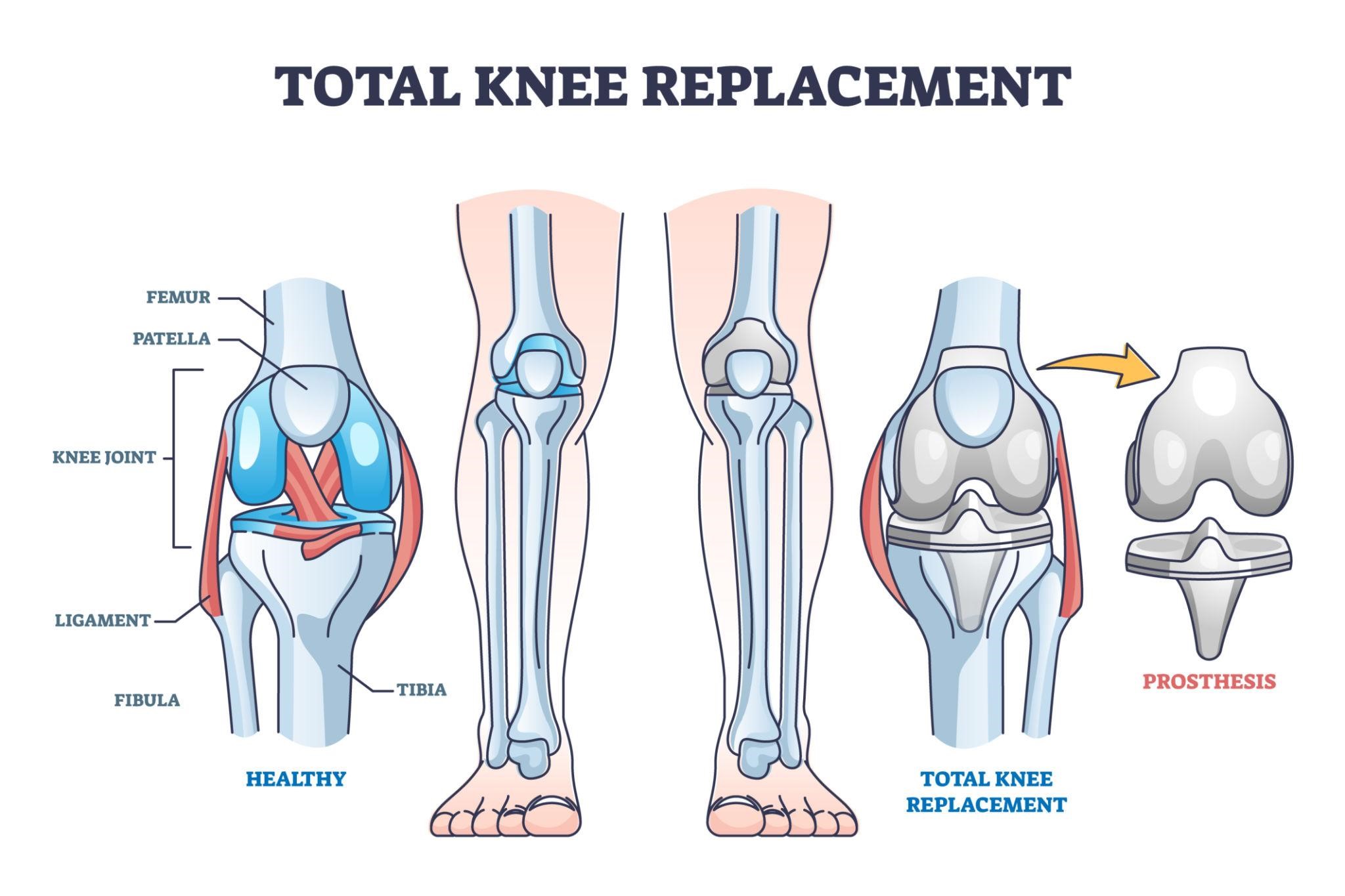
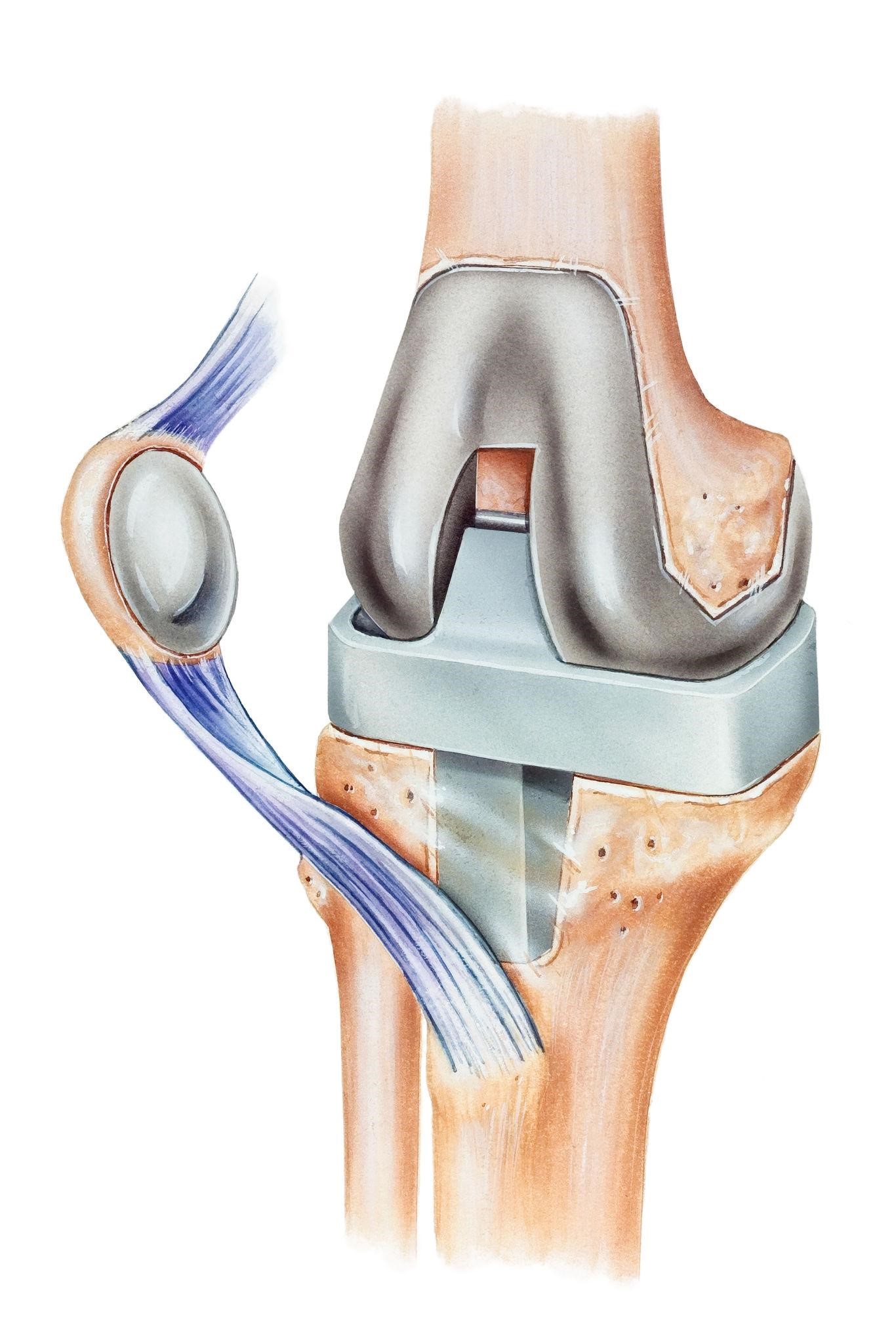


Total knee replacement is the most commonly performed joint replacement surgery in the United States. It involves resurfacing the damaged parts of the knee joint with artificial components. This procedure is highly effective for patients experiencing severe pain, swelling, and stiffness that limit everyday activities such as walking or climbing stairs.
Total Hip Replacement
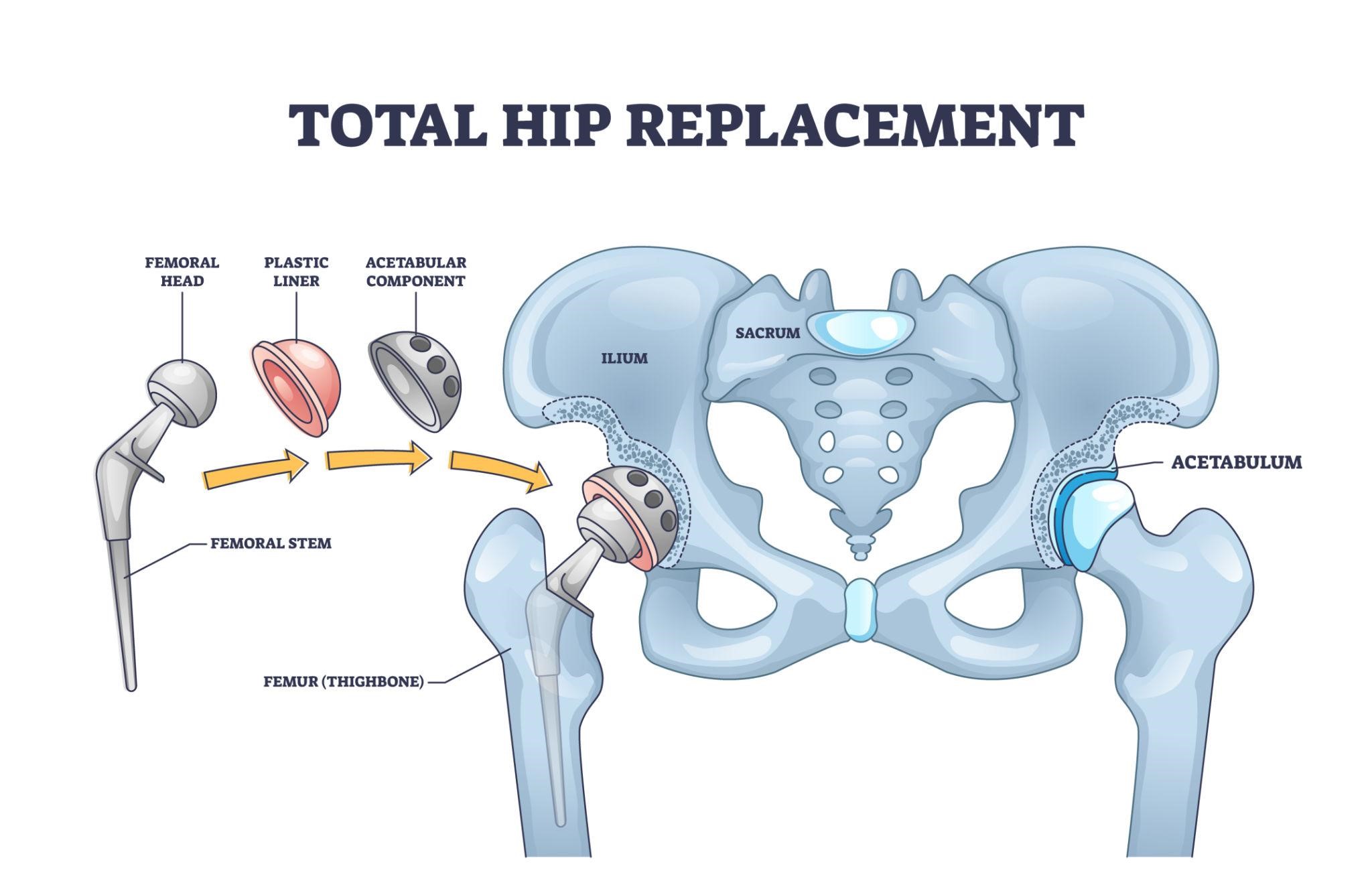
In a total hip replacement, the damaged ball-and-socket joint is replaced with a prosthetic implant. This procedure is commonly recommended for patients with chronic hip pain that interferes with daily life. Many patients report significant pain relief and improved mobility shortly after recovery begins.
Total Shoulder Replacement
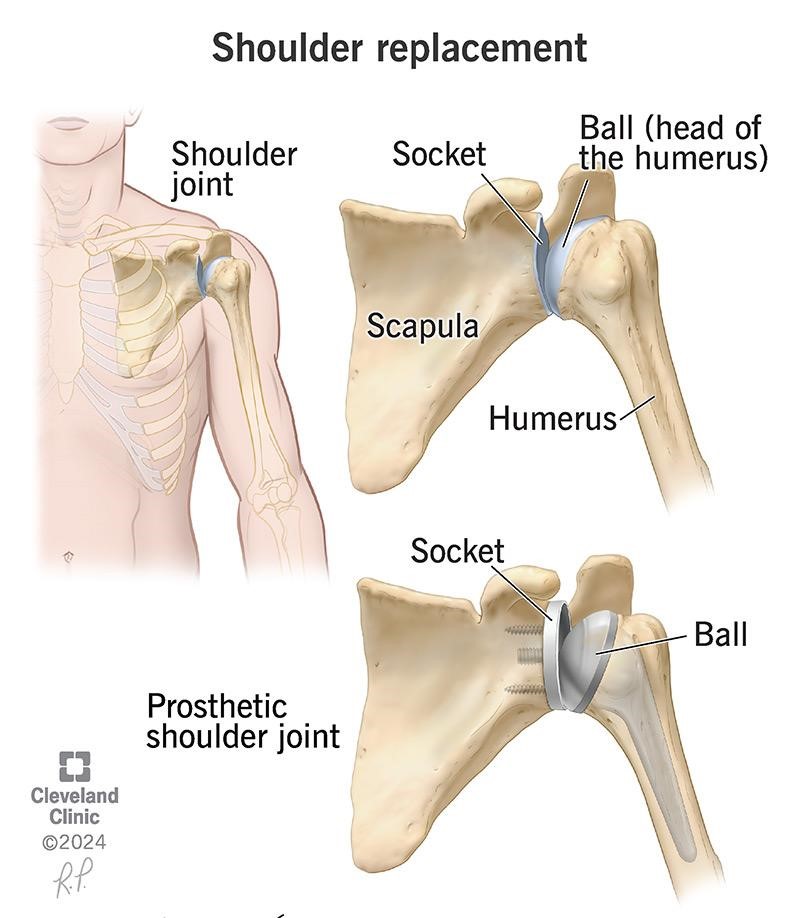
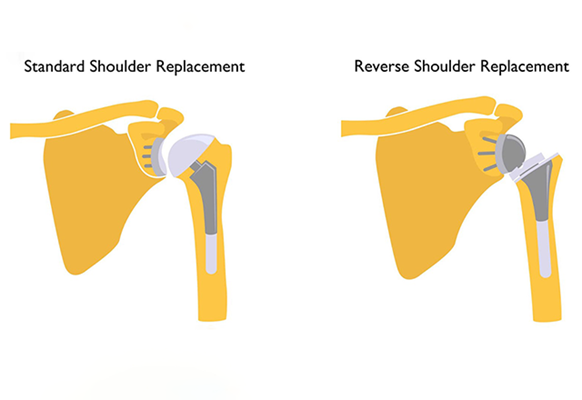
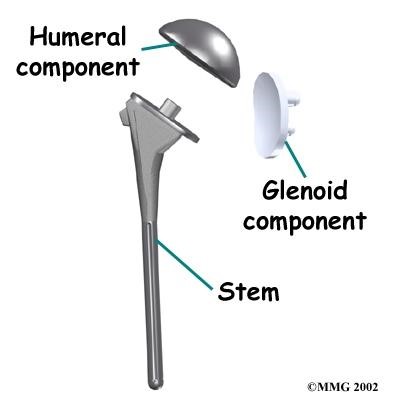
Shoulder replacement surgery involves replacing damaged parts of the shoulder joint. In some cases, a reverse shoulder replacement may be recommended, particularly when rotator cuff damage is present. This procedure can greatly improve range of motion and reduce persistent shoulder pain.
Benefits of Total Joint Replacement
Patients who undergo joint replacement surgery often experience life-changing results. One of the most significant benefits is long-term pain relief, especially for those who have struggled with chronic discomfort for years. Improved mobility is another key advantage, allowing patients to return to activities they once enjoyed.
In addition, joint replacement can enhance overall quality of life. Simple daily tasks—like walking, driving, or even sleeping—become easier and more comfortable. According to data shared by National Institutes of Health, joint replacement surgeries have high success rates and patient satisfaction levels when performed by experienced orthopedic specialists.
What to Expect During Surgery
Joint replacement procedures are typically performed in a hospital or specialized surgical center. While each case is unique, the process generally includes removing the damaged portions of the joint, preparing the surrounding bone, and placing the prosthetic implant securely.
Most procedures take between one and two hours, depending on the joint being replaced. Advances in minimally invasive techniques have improved precision and reduced recovery time, helping patients get back on their feet sooner.
Recovery and Rehabilitation
Recovery plays a crucial role in the overall success of joint replacement surgery. Patients usually begin moving the joint shortly after the procedure, often with the help of a physical therapist. Early movement helps prevent stiffness and promotes healing.
Rehabilitation programs are tailored to each patient and may include strength training, stretching, and mobility exercises. Most patients can resume normal daily activities within a few weeks, although full recovery may take several months. Long-term outcomes are excellent, with many implants lasting 15 to 25 years or more.
Are You a Candidate for Joint Replacement?
You may be a good candidate for total joint replacement if you experience persistent joint pain that limits your daily activities, even after trying conservative treatments. Difficulty walking, standing, or using the joint normally may also indicate that surgery is worth considering.
Diagnostic imaging such as X-rays or MRIs can help confirm the extent of joint damage. A consultation with a specialist at Great Lakes Orthopaedics can provide a personalized treatment plan based on your condition and lifestyle goals.
Why Choose Great Lakes Orthopaedics?
At Great Lakes Orthopaedics, we combine advanced surgical techniques with personalized patient care. Our team is dedicated to helping patients regain mobility, reduce pain, and return to an active lifestyle. From initial consultation to post-surgical rehabilitation, we are committed to delivering exceptional orthopedic care.
Total joint replacement is a proven, highly effective solution for individuals suffering from severe joint pain and limited mobility. With modern advancements in orthopedic surgery, patients today benefit from shorter recovery times, improved outcomes, and longer-lasting results.
If joint pain is impacting your quality of life, it may be time to explore your options. A consultation with an experienced orthopedic specialist can help you determine whether total joint replacement is the right path forward.
Frequently Asked Questions
How long does a joint replacement last?
Most modern joint implants last between 15 and 25 years, depending on activity level and overall health.
Is joint replacement surgery safe?
Yes, it is considered one of the safest and most successful orthopedic procedures when performed by qualified surgeons.
When can I walk after surgery?
Many patients begin walking with assistance within a day of surgery, depending on the joint and procedure.
Will I need physical therapy?
Yes, physical therapy is essential for restoring strength, flexibility, and mobility after surgery.