Shoulder pain can affect everything from your ability to work to simple daily tasks like lifting your arm or getting dressed. When rest, physical therapy, or medications no longer provide relief, surgical treatment may be recommended. At Great Lakes Orthopaedics, patients have access to advanced solutions ranging from minimally invasive shoulder arthroscopy to more complex procedures designed to restore mobility, reduce pain, and improve long-term function. Understanding the different types of shoulder surgeries can help you feel more confident when exploring your treatment options.
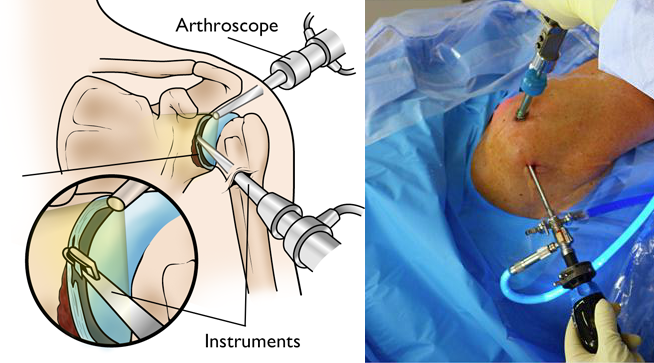
Shoulder arthroscopy is one of the most commonly recommended procedures because it is minimally invasive and highly effective. During this procedure, a surgeon uses a small camera called an arthroscope to examine and treat the inside of the shoulder joint through tiny incisions. Compared to traditional open surgery, this approach typically results in less tissue damage, reduced pain, and a faster recovery. Because of these benefits, arthroscopy is often considered the first surgical option when conservative treatments fail to improve symptoms.
Doctors typically recommend shoulder arthroscopy when patients continue to experience persistent pain, weakness, or limited range of motion despite non-surgical care. Many common shoulder conditions can be treated using this technique, especially when early intervention can prevent further damage. Patients who are active, experiencing repetitive strain, or dealing with sports-related injuries often benefit from this minimally invasive approach.
Common conditions treated with shoulder arth roscopy include:
- Rotator cuff tears that cause pain and weakness
- Shoulder impingement from pinched tendons
- Labral tears affecting shoulder stability
- Recurrent shoulder dislocations or instability
- Inflammation, bone spurs, or joint irritation
While arthroscopy is highly effective, it is just one of several surgical options available. The right procedure depends on the severity of the injury, overall joint health, and the patient’s long-term goals. In some cases, more advanced procedures are necessary to fully restore function and eliminate pain.
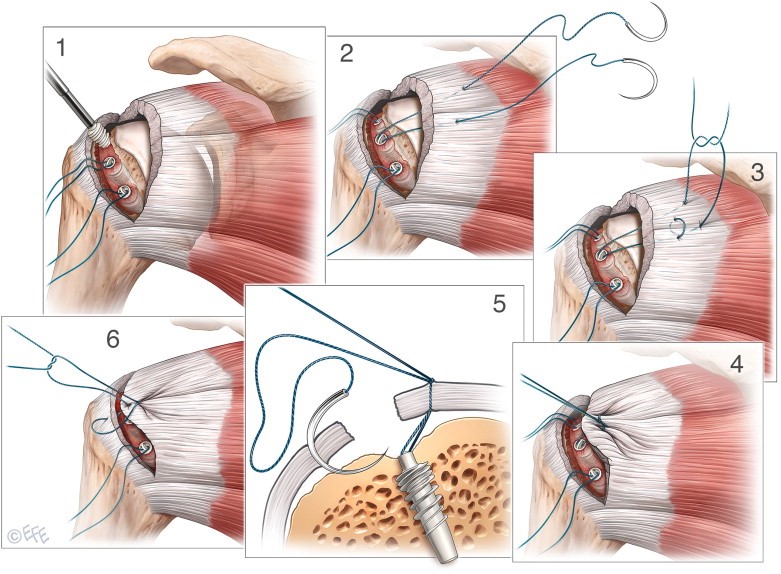
There are several types of shoulder surgeries that may be recommended:
- Rotator cuff repair to restore torn tendons and improve strength
- Shoulder replacement (arthroplasty) for severe arthritis or joint damage
- Labral repair to fix cartilage injuries in the socket
- Shoulder stabilization surgery to prevent repeated dislocations
- Frozen shoulder release to improve mobility and reduce stiffness
- AC joint surgery to treat arthritis at the top of the shoulder
- Biceps tendon repair for tendon damage or inflammation
One of the most important distinctions patients should understand is the difference between arthroscopic and open shoulder surgery. Arthroscopy uses small incisions and specialized tools, allowing for faster healing and less disruption to surrounding tissue. In contrast, open surgery involves a larger incision and is typically used for more complex conditions, such as severe tears or joint replacement procedures. While recovery may take longer with open surgery, it is sometimes the best option for achieving a successful outcome in advanced cases.
Recovery after shoulder surgery varies depending on the procedure, but rehabilitation plays a critical role in long-term success. Patients are usually guided through a structured recovery plan that focuses on restoring mobility, rebuilding strength, and preventing future injury. Following your surgeon’s recommendations closely can significantly improve your outcome and help you return to normal activities safely.
Typical shoulder surgery recovery may include:
- Wearing a sling to protect the shoulder during early healing
- Gradual physical therapy to restore range of motion
- Strengthening exercises to rebuild stability and function
- Ongoing care to prevent re-injury and support long-term results
At Great Lakes Orthopaedics, every patient receives a personalized treatment plan tailored to their condition and lifestyle. Whether you require minimally invasive arthroscopy or a more advanced surgical procedure, the goal is always the same: to reduce pain, restore movement, and help you get back to doing what you love.
If you are experiencing ongoing shoulder pain or limited mobility, seeking expert care is the first step toward recovery. With the right diagnosis and treatment plan, many patients are able to return to their normal routines with improved comfort and confidence.