Knee replacement surgery, also known as knee arthroplasty, is a highly effective procedure designed to relieve chronic knee pain and restore mobility. For patients struggling with severe joint damage, this procedure can significantly improve daily function and overall quality of life. At Great Lakes Orthopaedics, we focus on patient education and personalized treatment plans to help individuals make informed decisions about their orthopedic care.
What Is Knee Replacement Surgery?
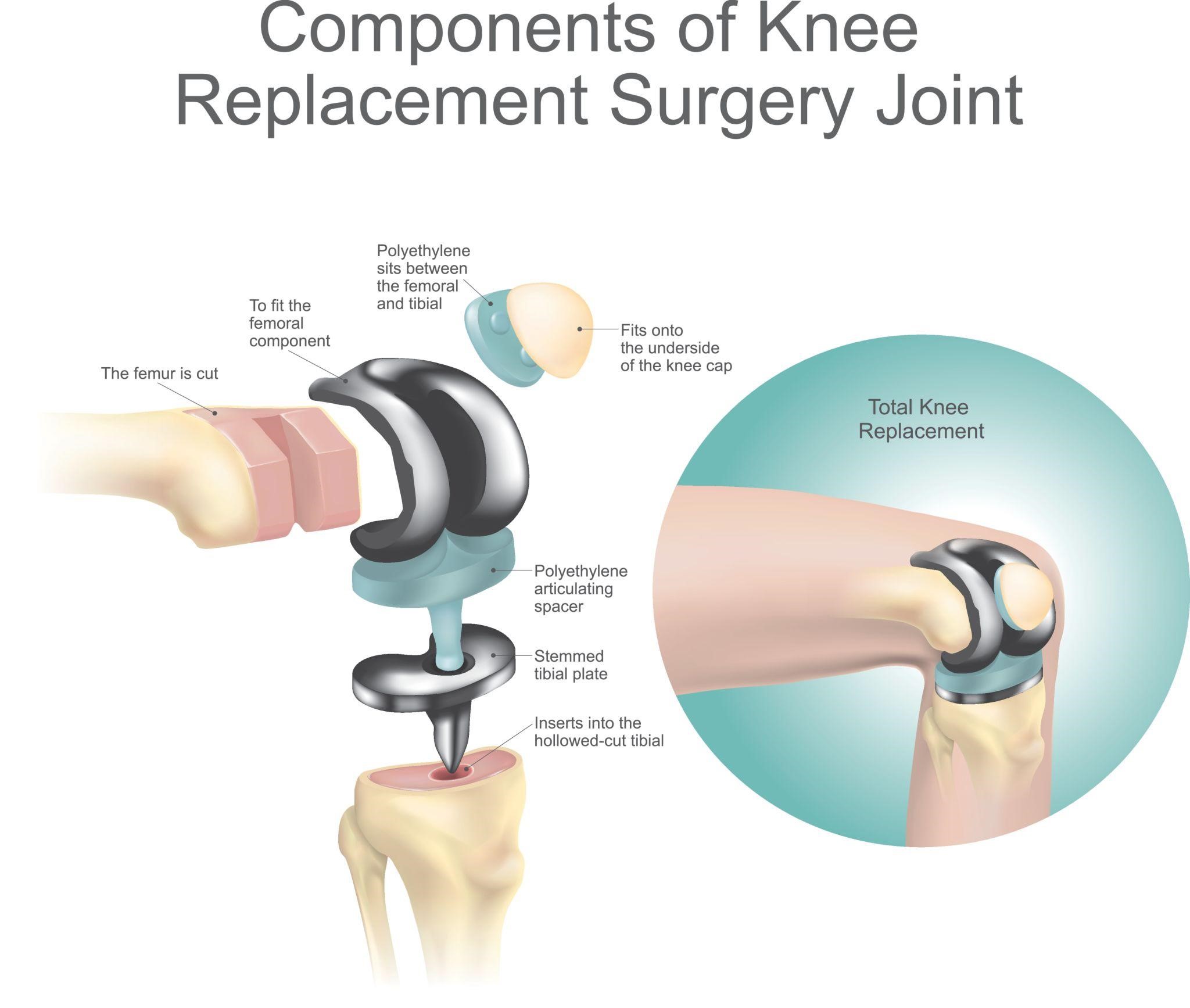
Knee replacement surgery involves removing damaged cartilage and bone from the knee joint and replacing them with a prosthetic implant made of metal and plastic components. This procedure is most commonly performed in patients with advanced joint damage that causes persistent pain and limits mobility.
According to OrthoArizona, total knee replacement is a common orthopedic procedure that helps relieve pain and improve function by resurfacing the worn joint surfaces with an artificial implant. (OrthoArizona)
Knee replacement may be performed as a total knee replacement, where the entire joint is replaced, or a partial knee replacement, which targets only the damaged portion of the knee.
When Is Knee Replacement Necessary?
Knee replacement is typically recommended when non-surgical treatments no longer provide relief. Physicians often begin with conservative options such as physical therapy, medications, injections, or bracing before considering surgery.
Common signs that it may be time to consider knee replacement include:
- Chronic knee pain that interferes with daily activities
- Difficulty walking, climbing stairs, or standing
- Pain even while resting or sleeping
- Limited range of motion or stiffness
- Swelling that does not improve with treatment
Persistent symptoms like these can significantly impact quality of life and may indicate advanced joint damage requiring surgical intervention. (OrthoArizona)
Types of Knee Replacement Procedures
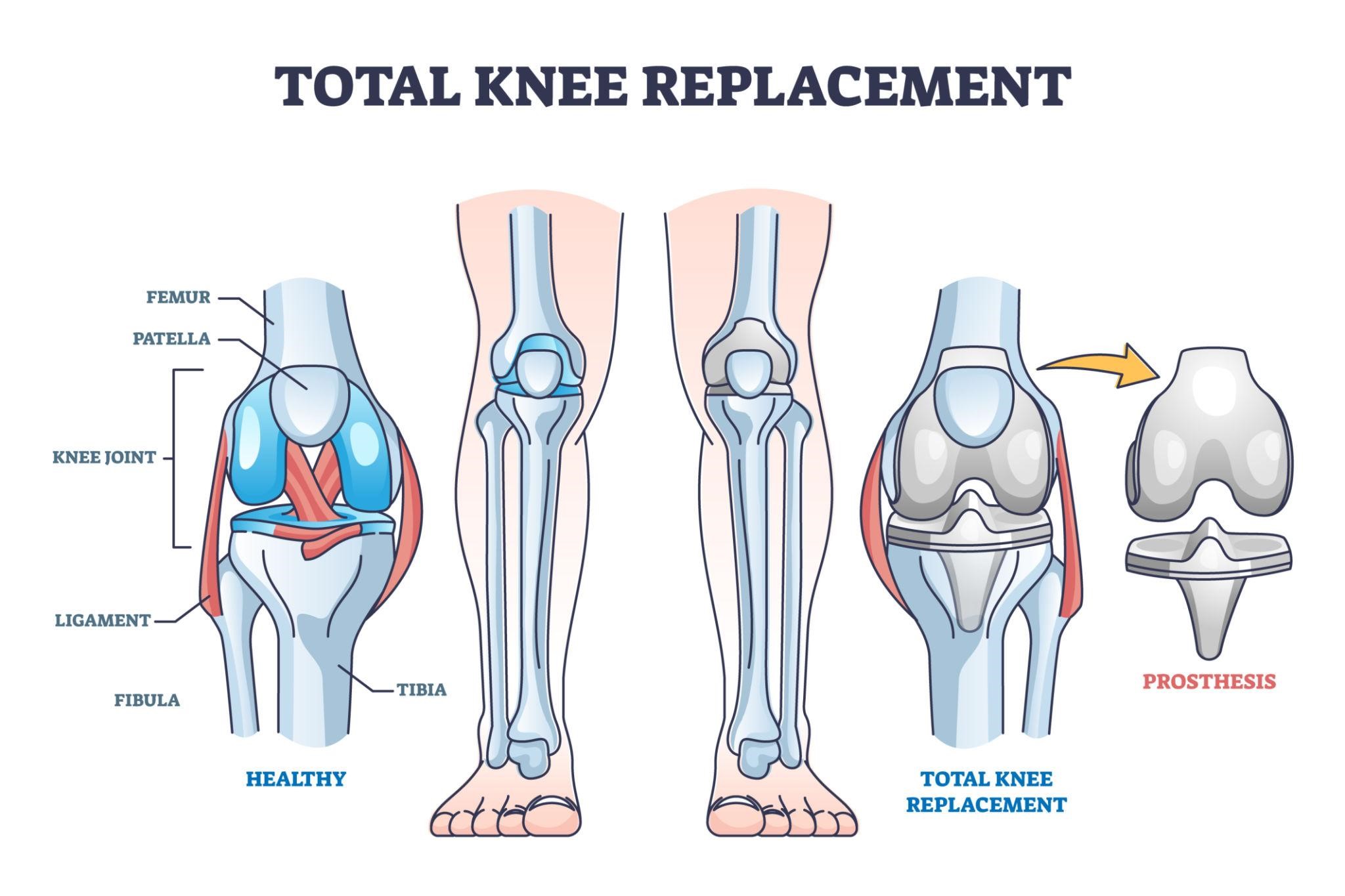
There are several types of knee replacement procedures, and the right option depends on the extent of joint damage and patient needs.
- Total Knee Replacement (TKR)
The entire knee joint is replaced with a prosthetic implant to relieve pain and restore mobility - Partial Knee Replacement
Only the damaged portion of the knee is replaced, preserving healthy bone and tissue - Minimally Invasive Knee Replacement
Uses smaller incisions and advanced techniques to reduce recovery time and improve outcomes
Each procedure is tailored to the patient’s condition, lifestyle, and long-term goals.
Benefits of Knee Replacement Surgery
Knee replacement is widely considered one of the most successful orthopedic procedures. Patients often experience significant improvements in both pain and function.
- Long-term pain relief
- Improved mobility and flexibility
- Better ability to perform daily activities
- Increased independence and quality of life
- Return to low-impact activities such as walking, biking, and swimming
By replacing damaged joint surfaces, the procedure eliminates the source of pain and allows for smoother joint movement. (OrthoArizona)
What to Expect During the Procedure
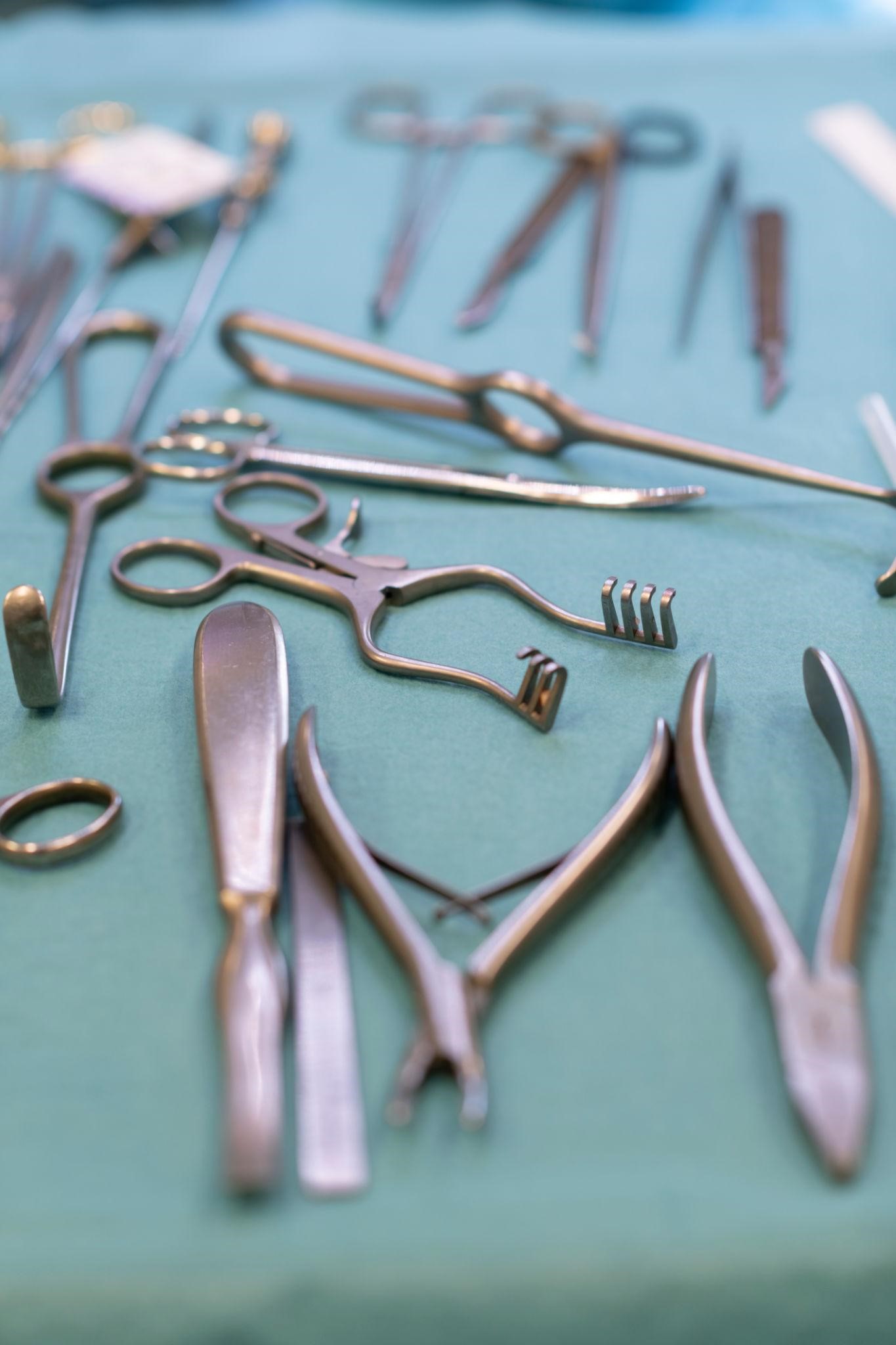
Knee replacement surgery typically takes one to two hours and is performed in a hospital or surgical center. During the procedure, the surgeon removes the damaged portions of the joint and carefully positions the prosthetic components to restore alignment and function.
The implants are designed to replicate natural knee movement while providing long-lasting durability. Advances in technology, including minimally invasive techniques and robotic-assisted surgery, have improved precision and patient outcomes.
Recovery and Rehabilitation
Recovery is a critical part of the success of knee replacement surgery. Patients are encouraged to begin moving the knee shortly after the procedure to improve circulation and prevent complications.
- Physical therapy begins soon after surgery
- Walking with assistance often starts within 24 hours
- Strength and mobility improve gradually over several weeks
- Full recovery may take three months or longer
Rehabilitation focuses on restoring strength, flexibility, and range of motion. Consistent participation in therapy plays a major role in achieving the best results.
Who Is a Candidate for Knee Replacement?
You may be a candidate for knee replacement if you experience persistent knee pain that does not improve with non-surgical treatments. Candidates often have joint damage caused by arthritis, injury, or degenerative conditions.
A comprehensive evaluation—including physical examination, medical history, and imaging—helps determine whether surgery is the right option. At Great Lakes Orthopaedics, our specialists develop personalized treatment plans tailored to each patient’s needs.
Why Choose Great Lakes Orthopaedics?
At Great Lakes Orthopaedics, we combine advanced orthopedic techniques with compassionate, patient-focused care. Our goal is to help you regain mobility, reduce pain, and return to the activities you enjoy.
From diagnosis through recovery, our team is committed to delivering exceptional outcomes and long-term success.
Knee replacement surgery is a proven solution for individuals suffering from chronic knee pain and reduced mobility. With modern advancements in orthopedic care, patients can expect improved outcomes, faster recovery, and long-lasting results.
If knee pain is limiting your lifestyle, consulting with an experienced orthopedic specialist can help you explore your options and take the next step toward recovery.