
Great Lakes Orthopaedics • Garden City, Michigan
How Long After Hip Replacement Can I Drive? Recovery Timeline & Safety Tips
Driving means independence — getting back to work, running errands, and enjoying everyday life. Here is when most patients can safely return to the driver’s seat, and how to know when you are ready.
Quick answer
Many patients can return to driving approximately 4 to 6 weeks after hip replacement surgery — although some may be ready sooner depending on the surgical approach, which hip was replaced, and their individual recovery. Always get clearance from your surgeon first.
Right hip
4–6 weeks
Often needed, as the right leg controls the accelerator and brake.
Left hip • automatic
1–3 weeks
For selected patients — the left leg is not used on the pedals.
Anterior approach
2–4 weeks
Some patients, in selected cases. Recovery still varies considerably.
Hip replacement surgery can significantly improve mobility, reduce chronic pain, and help patients return to their everyday activities. However, one of the most common questions patients ask during recovery is, “How long after hip replacement can I drive?”
For many patients, driving represents independence and the ability to return to work, run errands, and enjoy daily activities. While you may feel ready to get behind the wheel shortly after surgery, it’s important to allow your body enough time to heal.
Generally, many patients can return to driving approximately 4 to 6 weeks after hip replacement surgery, although some may be ready sooner depending on the surgical approach, which hip was replaced, and their individual recovery.
At Great Lakes Orthopaedics, we understand how important it is to regain your independence after surgery. Below, we’ll explain when you may be able to drive again, what factors affect your recovery, and how to know when it’s safe to get behind the wheel.
In this guide
Driving timeline • Right vs. left hip • Driving at 2 weeks? • Anterior hip replacement • 5 signs you’re ready • Safety tips • FAQs
How Soon Can You Drive After Hip Replacement Surgery?
The timeline for driving after hip replacement surgery varies from patient to patient. Some individuals recover relatively quickly, while others require additional time to regain strength, flexibility, and coordination.
According to guidance discussed by orthopedic specialists, driving readiness depends on several important factors, including:
- Whether you had right or left hip replacement surgery.
- The surgical technique used during your procedure.
- Your ability to move your leg comfortably and control the pedals.
- Whether you’re still taking prescription pain medication.
- Your overall health, mobility, and recovery progress.
- Your orthopedic surgeon’s recommendations.
Estimated Driving Timeline After Hip Replacement
| Type of hip replacement | Possible driving timeline |
|---|---|
| Left hip replacement (automatic transmission) | Approximately 1–3 weeks for selected patients |
| Right hip replacement | Often 4–6 weeks |
| Anterior hip replacement | Some patients may be ready within 2–4 weeks |
| Traditional total hip replacement | Commonly 4–6 weeks |
| Hip replacement with complications | May require additional recovery time |
Important: These are broad estimates, not medical clearance recommendations. Some patients may require longer recovery periods, and surgical approach alone does not determine when driving is safe.
The American Academy of Orthopaedic Surgeons (AAOS) recommends discussing the return to driving with your surgeon and ensuring that you have regained adequate muscle control and reflexes.
Driving After Right Hip Replacement vs. Left Hip Replacement
One of the biggest factors influencing your return to driving is which hip was replaced.
How Long After Right Hip Replacement Can I Drive?
Patients who undergo right hip replacement surgery generally need more time before driving because the right leg controls both the accelerator and brake pedals in most American vehicles.
Your right leg must have enough strength and coordination to move quickly between pedals, especially during emergency braking situations.
Many patients return to driving around 4 to 6 weeks after right hip replacement, although individual recovery times vary.
Before driving, you should be able to move your foot between pedals quickly, press the brake firmly, and operate the vehicle without significant pain or hesitation.
How Long After Left Hip Replacement Can I Drive?
If you had left hip replacement surgery and drive an automatic vehicle, you may be able to return to driving sooner.
Since the left leg is generally not used to operate the pedals in an automatic vehicle, some patients may be medically cleared within the first few weeks after surgery.
However, if you drive a manual transmission vehicle, your left leg must operate the clutch. This may require additional recovery time.
Regardless of which hip was replaced, you should not resume driving until your surgeon confirms that it is safe.
Can I Drive 2 Weeks After Hip Replacement?
Some patients may be able to drive two weeks after hip replacement surgery, particularly those who underwent left hip replacement and drive an automatic vehicle.
However, two weeks may be too soon for many individuals, especially those recovering from right hip replacement surgery.
Even if you feel comfortable walking and completing everyday activities, driving requires additional coordination, strength, and reaction time.
Before considering driving at the two-week mark, ask yourself:
- Am I completely off medications that could impair my driving?
- Can I enter and exit my vehicle comfortably?
- Can I move my leg quickly without significant pain?
- Can I safely operate the pedals?
- Has my orthopedic surgeon approved my return to driving?
If you cannot confidently meet these requirements, it’s best to wait.
How Long After Anterior Hip Replacement Can I Drive?
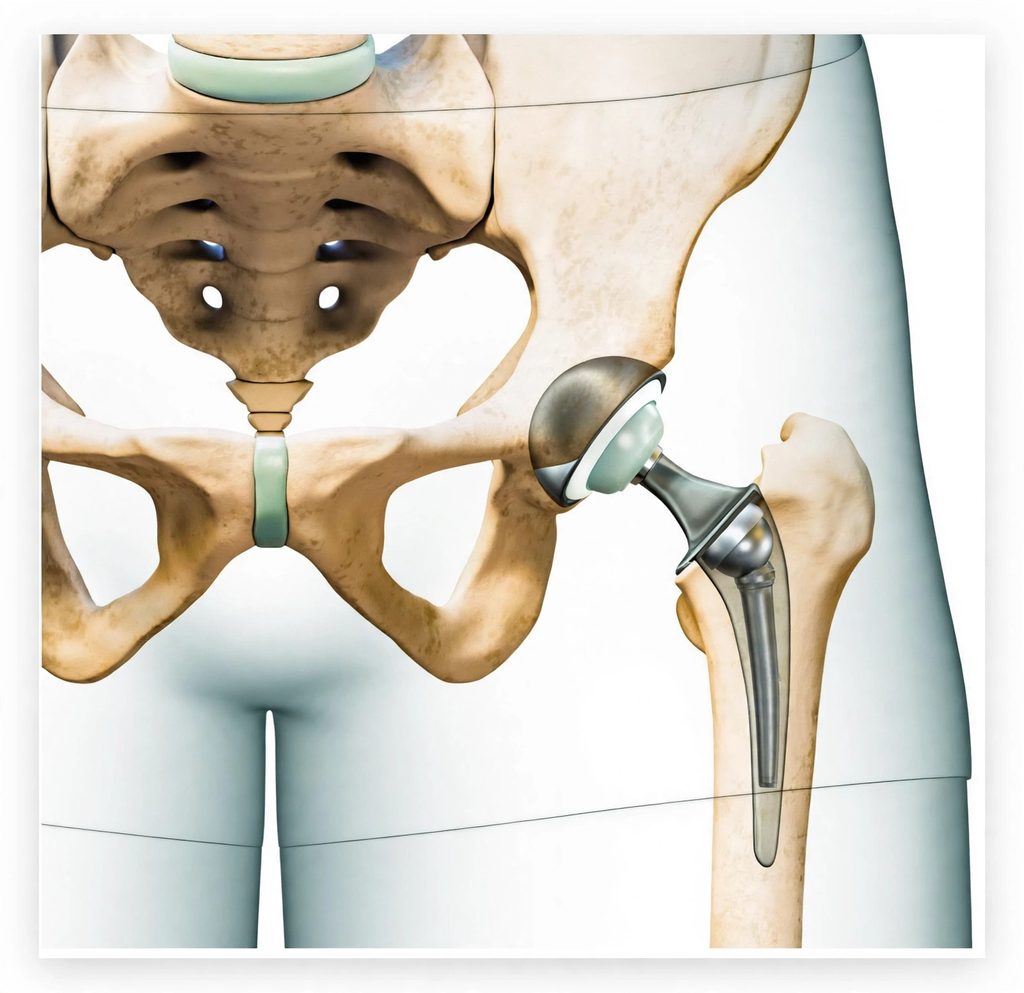
Anterior hip replacement is a surgical technique that accesses the hip joint from the front of the body.
Because this approach may involve less disruption to certain muscles, some patients experience a relatively quick return to everyday activities.
In selected cases, patients may return to driving approximately 2 to 4 weeks after anterior hip replacement surgery. However, this is not guaranteed, and recovery varies considerably.
Factors such as pain, muscle strength, reaction time, medications, and the operated side remain important.
Patients should never assume they can drive earlier simply because they underwent an anterior hip replacement.
Further reading: Direct Anterior Hip Replacement: Why a Muscle-Sparing Approach Matters
5 Signs You May Be Ready to Drive After Hip Replacement
While recovery timelines provide a general guideline, your physical abilities are more important than the number of weeks since surgery. Here are five signs that you may be approaching driving readiness.
1. You’re No Longer Taking Impairing Pain Medication
Certain prescription pain medications, particularly opioids, can cause drowsiness, slower reaction times, and reduced concentration. You should not drive while taking medications that impair your ability to operate a vehicle safely.
2. You Can Move Your Leg Without Significant Pain
Driving requires repeated movement between the accelerator and brake pedals. If moving your leg causes sharp pain, stiffness, or significant discomfort, you may need additional recovery time.
3. You Have Regained Strength and Coordination
Your leg muscles must be strong enough to operate the pedals smoothly and quickly. Physical therapy and rehabilitation exercises can help improve strength, mobility, and coordination during recovery.
4. You Can React Quickly in an Emergency
One of the most important aspects of safe driving is the ability to perform an emergency stop. If your reaction time is delayed or you cannot apply the brakes quickly and firmly, you should not resume driving.
5. Your Orthopedic Surgeon Has Cleared You
Even if you feel physically ready, your surgeon should evaluate your recovery before you return to driving. Your surgeon can consider your surgical procedure, medications, mobility, and overall progress to help determine when driving is appropriate.
Tips for Driving Safely After Hip Replacement Surgery
Once your orthopedic surgeon has approved your return to driving, it’s important to ease back into your normal routine.
- ✓ Start with short drives. Choose familiar roads and avoid heavy traffic during your first few trips.
- ✓ Adjust your seat. Position your seat so you can comfortably reach the pedals without placing unnecessary strain on your hip.
- ✓ Avoid long trips initially. Sitting for extended periods may increase stiffness and discomfort.
- ✓ Take regular breaks. If you’re traveling a longer distance, stop periodically to stand and walk as recommended by your healthcare provider.
- ✓ Pay attention to discomfort. If driving causes increasing pain, stiffness, or difficulty controlling the pedals, stop driving and consult your healthcare team.
Remember that being able to walk comfortably does not automatically mean you’re ready to drive.
Can I Ride in a Car After Hip Replacement Surgery?
Yes. Most patients can ride as passengers shortly after hip replacement surgery, including when traveling home from the hospital.
However, entering and exiting a vehicle may require extra care.
To make car rides more comfortable:
- Choose a vehicle with a seat height that makes entering and exiting easier.
- Move slowly and avoid twisting your operated hip.
- Follow any movement restrictions provided by your surgeon.
- Consider using a firm cushion if recommended by your rehabilitation team.
- Take breaks during longer trips to avoid prolonged sitting.
Long periods of immobility after surgery may increase the risk of blood clots. Discuss extended car travel with your surgeon, especially during the early stages of recovery.
What Should You Avoid After Hip Replacement Surgery?
During the early recovery period, certain movements and activities may place unnecessary stress on your healing hip.
Depending on your surgical approach and surgeon’s recommendations, you may be advised to avoid:
- Crossing your legs.
- Excessively bending your hip.
- Twisting or pivoting sharply on the operated leg.
- Sitting in low chairs.
- High-impact activities before receiving clearance.
Not every patient requires the same restrictions. Modern hip replacement recovery protocols are individualized, and some patients have fewer movement limitations than others.
For additional information about recovery, visit the AAOS guide to activities after hip replacement.
Frequently Asked Questions About Driving After Hip Replacement
Can I drive 1 week after hip replacement?
Most patients should not assume they can safely drive one week after surgery. Although a small number of patients may recover quickly, pain, medication use, reduced strength, and slower reaction times can make early driving unsafe. Always consult your surgeon.
Can I drive 3 weeks after hip replacement?
Some patients may be able to resume driving three weeks after hip replacement, particularly after left-sided surgery with an automatic transmission. Your readiness depends on your recovery and your surgeon’s clearance.
How long after hip replacement can I drive long distances?
Long-distance driving may require more recovery time than short local trips. Extended sitting can contribute to stiffness and may increase blood clot concerns during early recovery. Ask your surgeon when longer trips are appropriate and how frequently you should take breaks.
When can I drive after bilateral hip replacement?
Patients who have both hips replaced may require additional recovery time because both legs are affected. Driving should resume only after adequate strength, mobility, pedal control, and medical clearance have been established.
Is it safe to drive after hip replacement if I still have pain?
Mild discomfort does not necessarily prevent driving, but pain that interferes with concentration, leg movement, or reaction time can make driving unsafe. Consult your orthopedic surgeon before returning to the road.
Does physical therapy help you return to driving sooner?
Physical therapy can improve strength, flexibility, balance, and coordination after hip replacement surgery. These improvements support functional recovery, although physical therapy does not guarantee an earlier return to driving.
Get Back to Your Everyday Activities With Great Lakes Orthopaedics
Recovering from hip replacement surgery takes time, but with proper rehabilitation and guidance, many patients can gradually return to their normal activities, including driving.
If you’re wondering how long after hip replacement you can drive, the answer depends on your individual recovery, the type of procedure performed, and your ability to safely operate a vehicle.
At Great Lakes Orthopaedics in Garden City, Michigan, our orthopedic team is committed to helping patients understand their treatment options, prepare for surgery, and navigate the recovery process. Whether you’re experiencing chronic hip pain, considering total hip replacement, or looking for guidance during recovery, our team is here to help.
Contact Great Lakes Orthopaedics today to schedule an orthopedic consultation and learn more about your hip replacement treatment and recovery options.
Disclaimer: This article is general information only and is not medical advice. Recovery timelines vary by patient. Do not resume driving until your orthopaedic surgeon has cleared you, and never drive while taking medication that impairs your ability to drive safely.